

Looking for a faster route? You can also explore:
International Patients •
Contact •
Online Appointment
What Is Dental Anxiety?
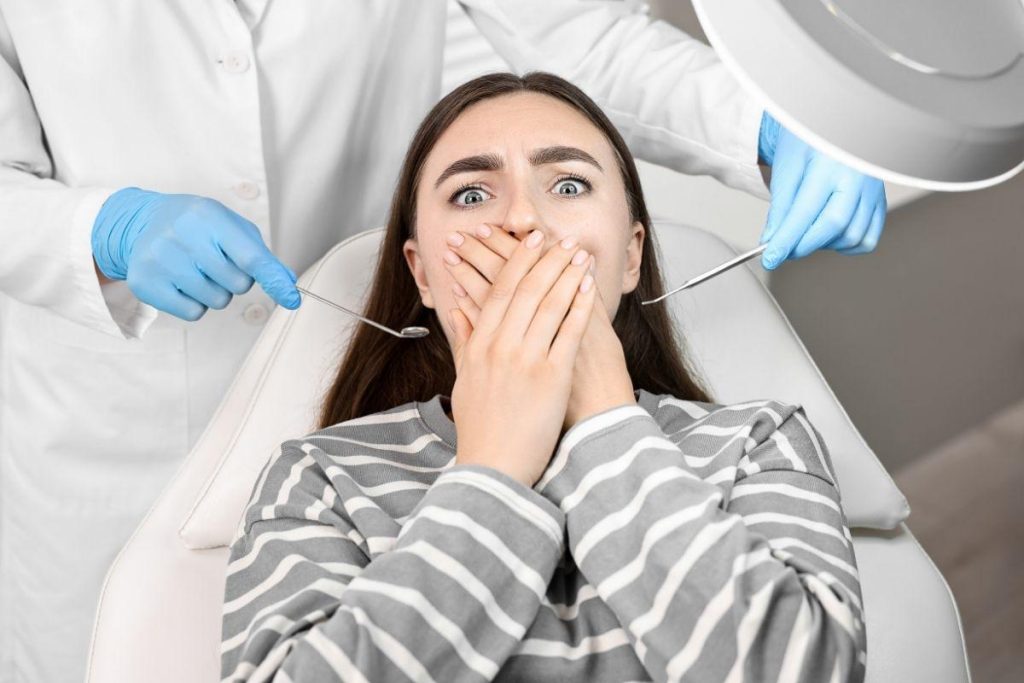
Dental anxiety is a common feeling of fear, stress, or uneasiness linked to dental visits. It can range from mild nervousness to a strong fear that causes people to avoid appointments for years.
Common symptoms
- Sweaty palms, fast heartbeat
- Trouble sleeping before an appointment
- Feeling dizzy or sick in the waiting room
- Avoiding routine check-ups
- Panic or sudden urge to cancel
At BDD Dental Clinic, we treat anxiety with the same seriousness as any clinical concern—because comfort is part of healthcare.
Causes of Dental Anxiety
Understanding why you feel anxious helps us tailor the experience and reduce stress triggers.
- Past negative experiences: A painful or rushed treatment can leave a lasting impression.
- Fear of pain: Many people expect discomfort, even though modern dentistry is often gentle and well-controlled.
- Loss of control: Being unable to speak freely during treatment can feel overwhelming.
- Embarrassment: Worries about being judged for teeth appearance or oral hygiene.
- Sounds & smells: Certain dental sounds can trigger a strong stress response.
- Needle fear: A common phobia that can raise anxiety even before arriving.
Related reading:
Dental Check-up •
Professional Teeth Cleaning •
Root Canal Treatment
How Dental Anxiety Affects Oral Health
Avoiding the dentist might feel like relief—until small issues become urgent problems. When appointments are delayed, risks increase:
- Untreated cavities and broken fillings
- Gum inflammation and advanced periodontal disease
- Tooth infections that require emergency care
- Bad breath and sensitivity
- Tooth loss and complex restoration needs
The anxiety cycle: Avoiding care → problems worsen → treatments become more complex → anxiety increases. Breaking this cycle is exactly where Dental Anxiety Support makes a difference.
Dental Anxiety Support Methods at BDD Dental Clinic
1) Calm communication (no surprises)
You can tell us what you need—slow pace, short sessions, breaks. A supportive team will never minimize your fear. We agree on a plan before we begin.
2) Education & transparency
Many fears come from uncertainty. We explain what will happen, how long it takes, and what you may feel. When you know the steps, you feel more in control.
3) Comfort tools
- Breathing guidance and pause signals
- Short breaks during treatment
- Music/headphones (if available)
- Gentle, step-by-step approach
4) Modern pain control
Today’s dentistry can be surprisingly comfortable thanks to advanced anesthesia techniques, gentle instruments, and careful planning.
If you’re considering restorative work, you might also like:
Dental Implants •
Zirconium Crowns •
Smile Design
Sedation Dentistry Options
For moderate to severe anxiety, sedation can make the experience far easier. Your dentist will recommend the safest option based on your needs and medical history.
Oral sedation
Mild-to-moderate relaxation with tablets. You remain awake but calmer.
IV sedation
Deeper relaxation. Many patients remember very little of the procedure.
Nitrous oxide (laughing gas)
Fast-acting relaxation that wears off quickly after treatment (availability may vary).
General anesthesia
Full sleep option, typically reserved for complex cases or high anxiety levels, when clinically appropriate.
Want an anxiety-friendly plan? Start with a consultation:
If you’d like, book online here.
Dental anxiety support
Dental Anxiety Support for Children
Children can develop fear from past experiences—or simply by sensing adult stress. Gentle introduction, positive language, and a supportive environment help kids build trust.
- Start dental visits early
- Avoid scary words (“needle”, “drill”) at home
- Use encouragement and small rewards
- Choose a patient, child-friendly team
Explore:
Pediatric Dentistry •
Orthodontics
Choosing an Anxiety-Friendly Dental Clinic
When selecting a clinic, look for clear signs of comfort-first care:
- Friendly, responsive communication
- Transparent treatment plans and pricing
- Modern technology and gentle techniques
- Sedation options for suitable cases
- Strong patient reviews (especially from anxious patients)
At BDD Dental Clinic, we aim for a calm, respectful experience—because trust is the foundation of good treatment.
Dental Anxiety Support for International Patients
Traveling for treatment can add extra stress—new country, new team, new routine. That’s why structured support matters.
Many international patients choose Turkey for procedures like implants, smile design, and zirconium crowns due to value, experience, and advanced clinics. At BDD, we focus on:
- Pre-arrival online consultation
- Clear treatment timeline
- Multilingual communication (where applicable)
- Aftercare guidance and follow-up plan
Learn more:
International Patients •
Patient Testimonials
Preparing for Your Appointment
Before your visit
- Choose a morning slot if possible
- Avoid caffeine right before the appointment
- Eat light and stay hydrated
- Write down your questions
During treatment
- Agree on a “pause signal” (e.g., raise your hand)
- Ask for short breaks if you need them
- Focus on slow breathing
- Close your eyes if visuals trigger anxiety
After treatment
- Reward yourself (yes—this is clinically supported by happiness)
- Follow care instructions carefully
- Schedule the next simple check-up before you leave
Dental anxiety support
Frequently Asked Questions (FAQ)
Is dental anxiety common?
Yes. Many patients experience anxiety, and it’s one of the most common reasons people delay dental care.
Can dentists really help with anxiety?
Absolutely. Anxiety support can include communication strategies, comfort tools, and sedation options when appropriate.
Is sedation safe?
Sedation is generally safe when planned and administered by qualified professionals after reviewing your medical history.
Will I feel pain?
Modern techniques and careful anesthesia help minimize discomfort. The goal is a calm, controlled experience.
How do I start if I’ve avoided dentists for years?
Start with a consultation. Share your concerns openly. A supportive clinic will build a step-by-step plan without judgment.